
Industrial Digital Twin
NexaTechSynergy Digital Twin for motors & assets
NexaTechSynergy designs, builds, and delivers Digital Twin solutions for motors and industrial assets — so plant leaders share a live picture of the equipment that keeps production moving.
What a twin is
More than a monitoring dashboard
Conventional IoT stops at sensors and charts. A NexaTechSynergy Digital Twin keeps a durable virtual representation of the physical asset — synchronized as conditions change — so teams evaluate health and act with history.
Twin lifecycle
From physical asset to maintenance action
A practical data path: instrument the asset, model the twin, decide with ops, and feed maintenance — not a one-time visualization project.
-
Physical asset
A named motor, drive, or rotating line with owners, criticality, and the failure modes that matter.
-
Sensors / MQTT
Vibration, temperature, electrical, and runtime signals — streamed with industrial messaging patterns.
-
Twin model
Persistent identity, live state, history, and health — synchronized as conditions change.
-
Ops decisions
Shared operating picture for commissioning, changeover, and shift handoffs — not another unread chart.
-
Maintenance
Trend and degradation context that helps planners inspect earlier and schedule with purpose.
Use cases
Where Digital Twin earns its place
Four outcomes plant and reliability leaders ask for — start with the one that protects uptime most.
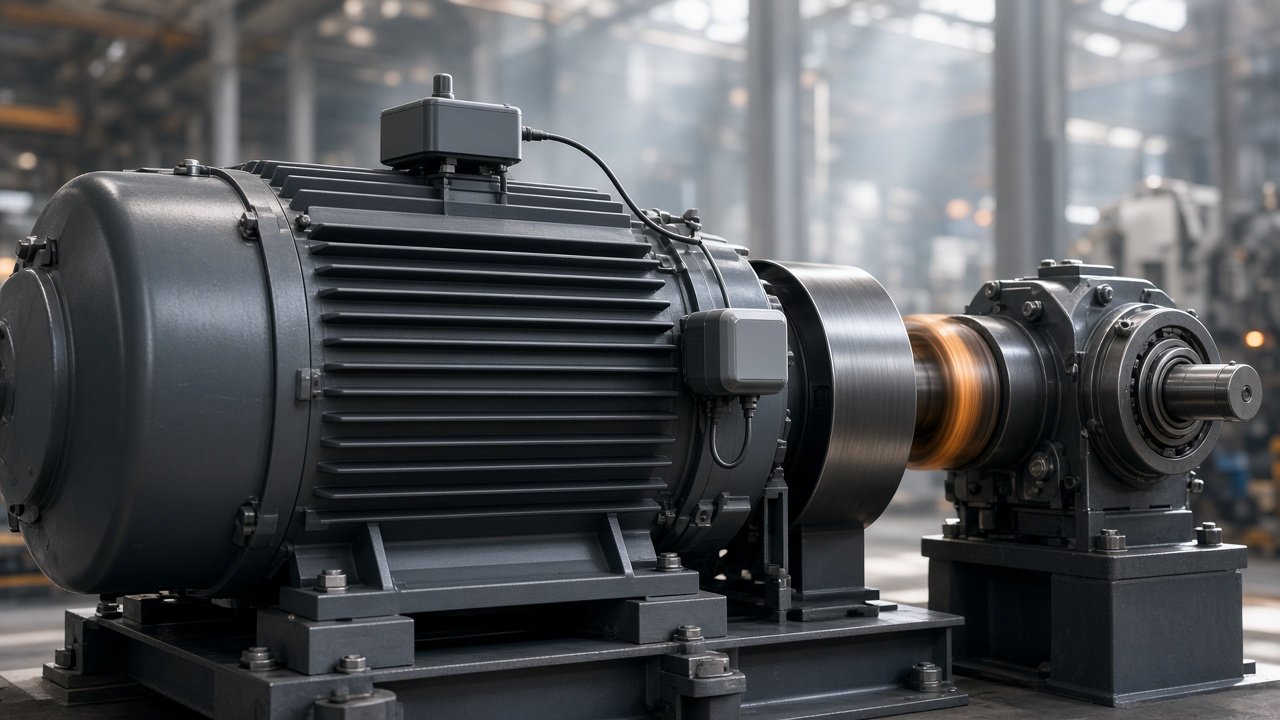
Critical motor pilot
One high-impact asset class first — prove visibility and alert ownership before site-wide rollout.
Start with a pilot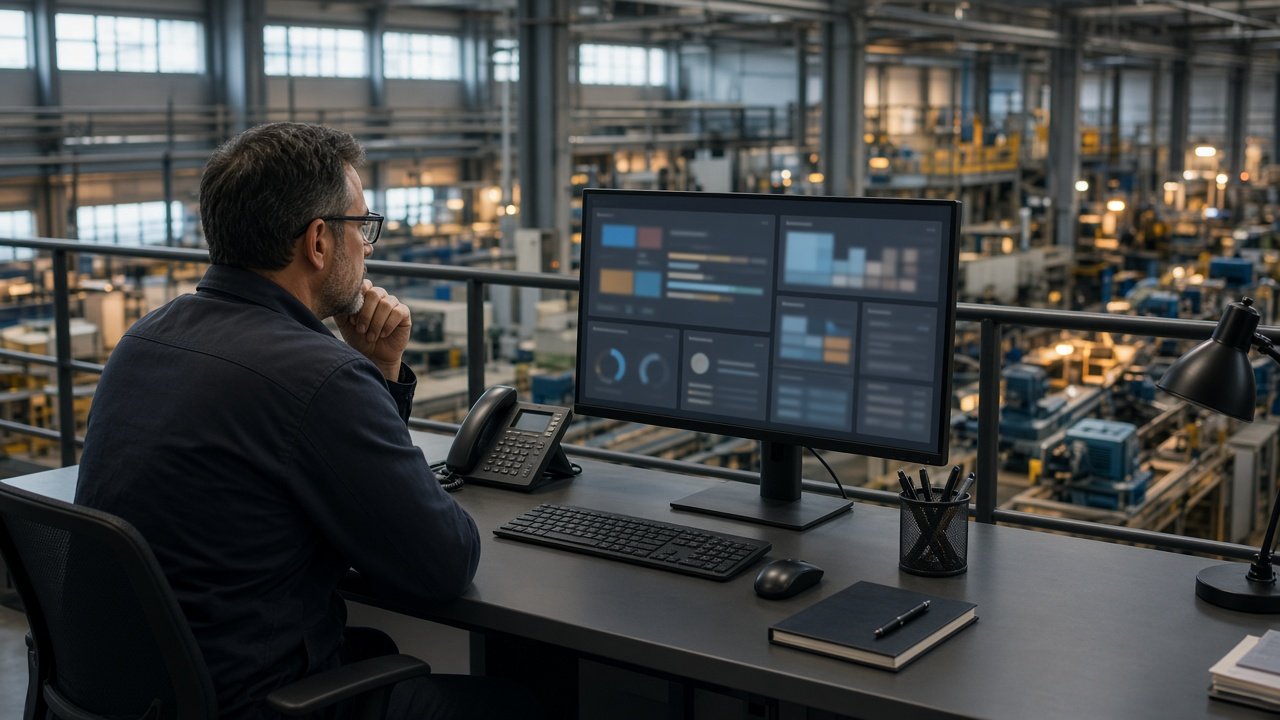
Plant fleet view
Compare health across motors and lines so reliability sees patterns, not isolated snapshots.
Discuss fleet scope
Remote commissioning
Shared live view for startup and oversight when experts cannot stand next to every machine.
Explore solutions
Predictive maintenance signals
Degradation trends that feed inspection workflows and CMMS — earlier action, less guesswork.
See the stackIn practice
Thoughtful starting points
Typical first engagements — a named critical motor, then a fleet picture ops can defend.
Example: critical motor pilot
Rank assets by downtime cost. Instrument one motor class with vibration and temperature. Stand up the twin with identity, live state, and history. Wire alerts to the people who inspect — then measure whether inspections happen earlier and with clearer context.
Example: plant fleet view
Once the pilot loop is trusted, expand to a line or site view — same twin model, comparable health signals, and a shared picture for remote commissioning and shift handoffs.
What we put in place
Foundations for day-two ownership
Delivery patterns sized to how reliability and ops actually adopt a twin — with stack fit and handoff.
-
Asset identity & history
Durable twin records for motors and rotating assets — state and history ops can trust across shifts.
-
Telemetry & messaging
Sensor and MQTT patterns into platforms your reliability and IT teams can operate day two.
-
Alerts & inspection paths
Clear ownership when signals degrade — escalate to people who can inspect and schedule.
-
Plant ownership runbooks
Training and documentation so the twin stays useful without a permanent vendor on site.
Outcomes at a glance
What success looks like
Results we design for — visible to operators and leadership after go-live.
-
One critical asset class with measurable downtime impact before expansion.
-
Live state and history shared by ops, commissioning, and maintenance — same picture.
-
Alerts tied to owners and inspection workflows, not muted dashboard noise.
-
Links into CMMS or reporting systems planners already open every week.
Start with one critical asset
Tell us which motors or industrial assets your operation needs to see more clearly.