

Industry
Transport and logistics
Transport and logistics operators juggle carriers, warehouse events, and customer commitments across systems that rarely share a common timeline. NexaTechSynergy connects operational data sources, normalizes events, and builds exception workflows so dispatch, warehouse, and customer service act on current state with accountability. We pilot the costliest exception types first, then hand off monitoring and runbooks ops teams can trust day to day.
Challenge
The problem
Logistics operators juggle carriers, warehouse events, and customer commitments across systems that rarely share a common timeline. Exception handling happens in phone trees; leadership sees lagging KPIs instead of live blockers.
Another standalone dashboard does not fix handoffs — teams need connected data and workflows that assign ownership when something slips.
NexaTechSynergy
What we deliver
HighPower connects operational data sources, normalizes events, and builds alert and decision workflows so dispatch, warehouse, and customer service share one current picture.
We integrate TMS, WMS, ERP, and custom APIs with practical automation — ETA updates, exception queues, proof-of-delivery routing — sized to operator staff, not a data science department.
Outcomes
Typical results
- Exceptions surfaced with owner and SLA context
- Less time reconciling status across carrier and WMS portals
- Customer service answers from live operational data
- Reporting that reflects events, not end-of-week spreadsheets
Engagement flow
How a logistics operations engagement moves
Costliest exception types first — one lane or facility before enterprise rollout.
-
Inventory systems of record
TMS, WMS, ERP, and the phone trees where exceptions hide today.
-
Pilot one exception class
Late loads, mis-picks, or documentation gaps — with owner and SLA context.
-
Connect the timeline
Normalized events, alerts, and workflows dispatch and CS can act on.
-
Harden monitoring
On-call runbooks so ops trusts alerts instead of muting them after week one.
Engagement
How we work in Transport and logistics
We inventory systems of record and the costliest exception types first — late loads, mis-picks, or documentation gaps. Pilots focus on one lane or facility before enterprise rollout.
Go-live includes monitoring and on-call runbooks so ops trusts alerts and does not mute them after the first noisy week.
Discovery → scoped proposal → milestone delivery → governed handoff. Remote-friendly for plant and business leaders.
See how we workWhat we put in place
One current operational picture
Connected data and ownership — not another disconnected dashboard.
-
TMS / WMS / ERP connections
Practical API links that share a common event timeline across teams.
-
Exception queues & SLAs
Surfaced blockers with owners — not lagging KPIs after the customer already called.
-
Ops & customer-service views
Answers from live operational data instead of reconciling carrier portals.
-
Monitoring & runbooks
Alert hygiene and ownership so the system stays useful after go-live.
Outcomes at a glance
What success looks like in Transport and logistics
Results we design for — visible to operators and leadership after go-live.
-
Exceptions surfaced with owner and SLA context
-
Less time reconciling status across carrier and WMS portals
-
Customer service answers from live operational data
-
Reporting that reflects events, not end-of-week spreadsheets
Where this shows up
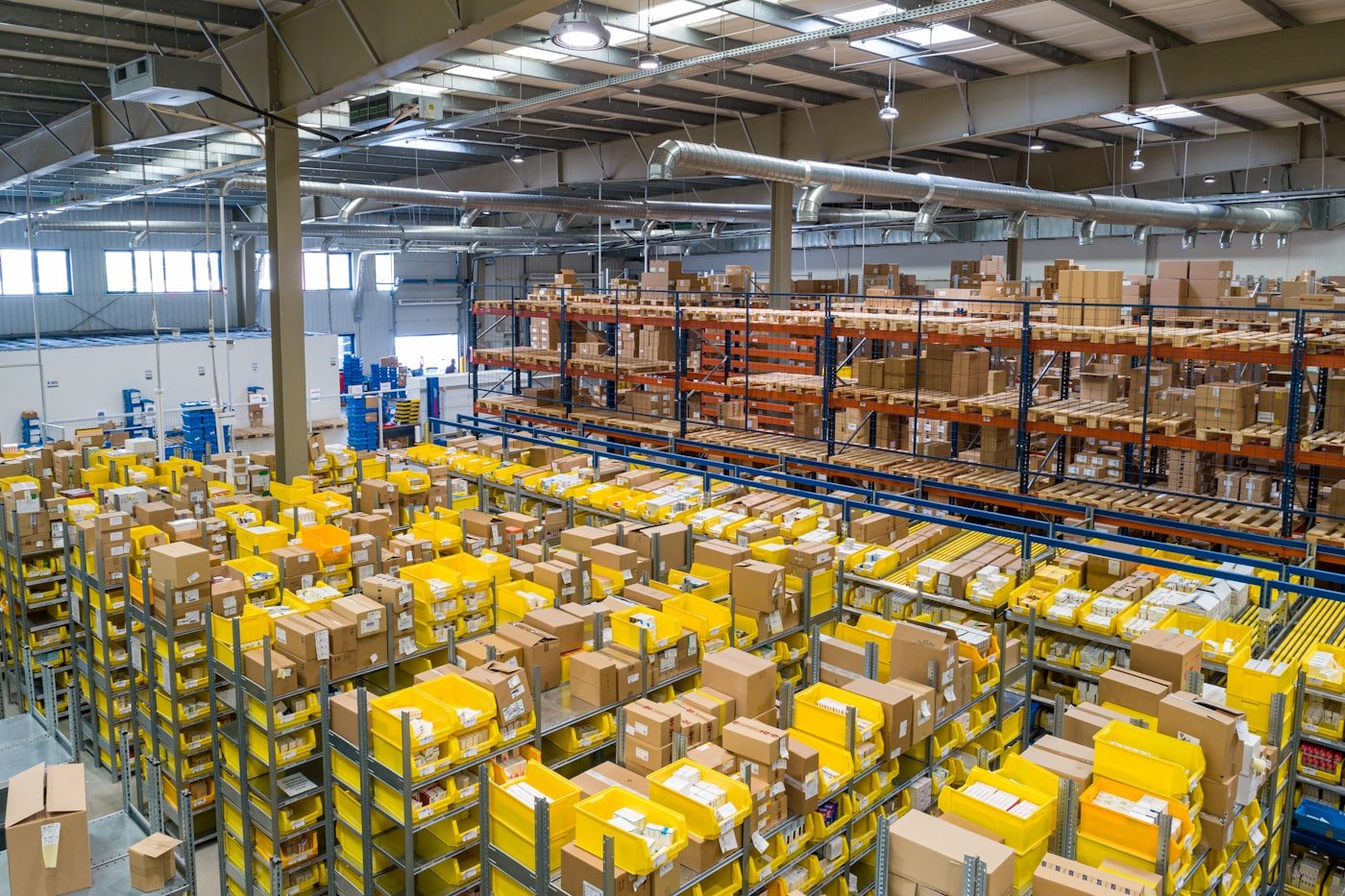
Typical engagement contexts — the workplaces and workflows we design for in Transport and logistics.

Discuss your Transport and logistics rollout
Tell us what you need to see, verify, automate, or modernize — we will respond with a scoped conversation.
Schedule a consultation